Modern hearing aids: artificial intelligence, noise reduction and Bluetooth
Do you find it hard to follow a conversation in a noisy place? Do you keep turning up the TV, only for your family to ask you to turn it down? Have phone calls become more difficult because you can hear a voice but cannot always make out the words?
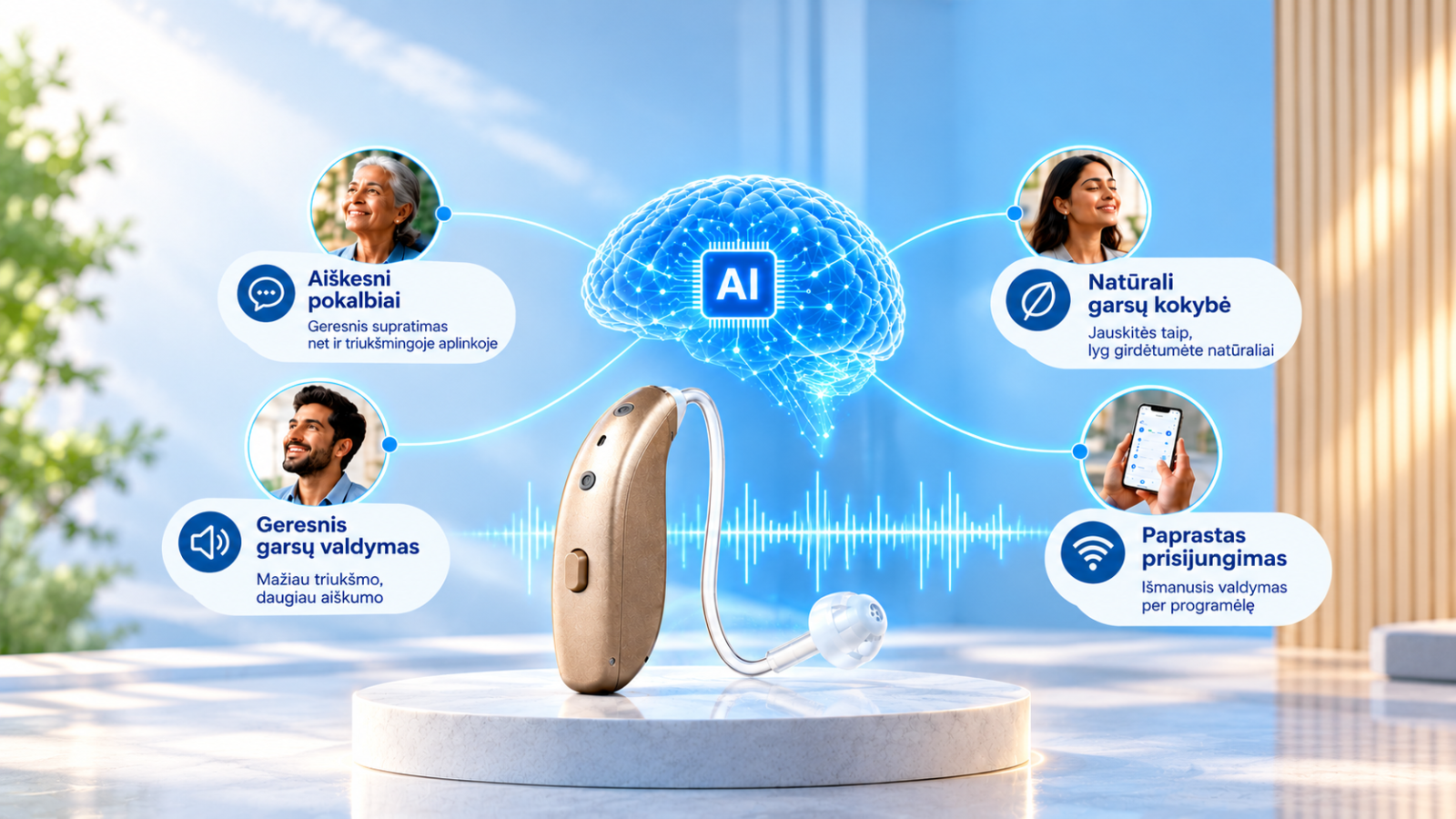
Today’s hearing aids do much more than simply make sounds louder. Advanced digital sound processing, artificial intelligence (AI), deep neural networks (DNN), smart noise reduction and wireless Bluetooth connectivity can help improve speech understanding, make communication easier and make watching TV more comfortable.
At Sonnos Hearing Centre, we offer a range of hearing aids and accessories and help people find solutions suited to their hearing, lifestyle and everyday needs. The goal is not simply to choose a modern device, but to make sure it is properly selected and fitted for the person using it.
1. Artificial intelligence in hearing aids: how can it help?
AI can be used to analyse the sound environment, identify speech-related patterns and adjust sound processing as listening conditions change.
Imagine chatting quietly with a family member at home, walking along a busy street later, and then having dinner in a noisy café. Each setting sounds different, so hearing aids need to respond differently too.
Depending on the model, advanced systems can analyse surrounding sounds in real time and automatically adjust their settings. They may help to:
- make speech clearer and reduce the impact of distracting background noise;
- adapt to different listening environments;
- follow a conversation when several people are talking;
- reduce listening effort in challenging situations;
- maintain a better balance between speech and environmental sounds.
Not all hearing aids offer the same AI features. Their capabilities depend on the manufacturer, technology platform and specific model.
2. What is DNN technology, and how does it reduce noise?
DNN stands for Deep Neural Network, a type of AI technology used for advanced sound processing.
Its aim is to help a hearing aid distinguish speech from other sounds around you. DNN algorithms are trained to recognise different sound patterns and can estimate which signals are associated with speech and which are background noise.
Traditional noise-reduction systems often analyse sound levels, frequencies and other signal characteristics. Depending on how it is implemented, DNN technology can perform more complex sound analysis and help preserve information that matters for understanding speech.
How can DNN help in everyday life?
In a café. When clattering dishes, other customers’ voices and your conversation partner’s speech all mix together, DNN-based processing may help bring speech into clearer focus.
At a family gathering. When several people speak at once, advanced systems may make it easier to follow the conversation, although results depend on the surroundings and the hearing aid model.
Outdoors. Traffic, street noise and wind can make words harder to understand. Noise-management and directional-listening features may help reduce these distractions.
Remember: DNN does not make every background sound disappear, nor does it guarantee that every word will always be perfectly clear. A good hearing aid should reduce distractions while preserving important environmental sounds and a natural listening experience.
3. Smart noise reduction: clarity matters more than volume alone
People with hearing loss often find conversation easier in a quiet room than in a restaurant, shop, event venue or busy family gathering.
Other sounds can mask speech. Simply turning up the volume does not necessarily make words easier to understand; it may amplify distracting sounds as well.
Modern hearing aids can combine several technologies:
- Noise reduction to lessen distracting background sounds.
- Directional microphones to focus on sounds coming from a particular direction.
- Automatic environment analysis to adapt to changing listening conditions.
- DNN-based processing in selected models to help separate speech from competing sounds.
- Wind and sudden-sound management to improve listening comfort.
These features can work together. Their combination may be especially helpful for people who struggle to understand speech in noisy environments.
4. Bluetooth hearing aids: phone calls streamed directly to your ears
Modern hearing aids can do more than pick up sounds around you. Compatible models can also receive audio from smartphones and other electronic devices.
Bluetooth-enabled hearing aids may stream phone calls directly to one or both hearing aids, provided the specific hearing aids and phone support this feature.
In everyday life, this can mean:
- hearing the other person’s voice directly through your hearing aids;
- making calls more comfortably at home, at work or while walking;
- streaming music, podcasts and other audio on compatible devices;
- adjusting settings through a smartphone app on supported models;
- customising the listening experience to your preferences.
Direct streaming can be particularly useful if it is difficult to understand speech coming from a phone’s speaker or if you prefer not to hold the phone against your ear.
Before choosing hearing aids, check compatibility with your particular iPhone or Android phone. Bluetooth features, hands-free calling and supported audio-streaming protocols vary between models.
5. How can you hear TV dialogue clearly through hearing aids?
Many people know the situation: the TV sounds too quiet, so they turn it up, but then it is too loud for everyone else. Even high volume does not guarantee clear dialogue.
One possible solution is a dedicated TV streamer or hearing-aid TV accessory. It connects to the TV’s audio output and wirelessly sends programme sound directly to compatible hearing aids.
Benefits of a TV audio accessory
Clearer dialogue. Sound is streamed directly to the hearing aids, so listening depends less on how sound travels across the room.
More comfortable volume control. The hearing-aid wearer can set a suitable level without making everyone in the family listen at the same volume.
A more comfortable TV experience. News, films, series, sports and other programmes can be easier to enjoy.
Wireless streaming. There is no need to hold a phone or another device against your ear.
Watching TV together. The audio may be streamed to hearing aids while others listen through the TV speakers, depending on the equipment and its settings.
Not every TV and hearing aid can connect directly. A separate TV streamer may be needed. Check compatibility with your hearing-aid model and the audio connections available on your TV before buying an accessory.
At Sonnos Hearing Centre, we can help assess your needs and find a suitable hearing solution, including compatible audio-streaming accessories.
6. Rechargeable, discreet and smart hearing aids
Technology is changing not only how sound is processed, but also how hearing aids are used day to day. Depending on the model, modern hearing aids may be:
- Rechargeable, reducing the need to replace small batteries regularly.
- Compact and discreet, to suit different appearance preferences.
- App-controlled, allowing volume or listening settings to be adjusted on some models.
- Connected to other devices, with audio streaming from phones, TVs or other sources.
- Adaptive, changing settings in response to the listening environment.
However, size, rechargeability and smart features are not the only things to consider. Hearing aids should match the results of a hearing assessment, the type of hearing loss, dexterity, lifestyle and individual expectations.
7. How do you choose advanced hearing aids?
When choosing hearing aids, think not only about technical specifications but also about the situations in which you want to hear better. Consider these questions:
Is speech in noise difficult to understand? Ask about directional microphones, automatic environment recognition and advanced noise-reduction technology, including DNN if the model supports it.
Would you like to make calls through your hearing aids? Check Bluetooth connectivity, phone compatibility and call-streaming features.
Would you like to hear TV sound directly through your hearing aids? Ask about TV streamers and whether they work with your chosen model.
Is convenient charging important? Compare rechargeable options, charger design and battery life.
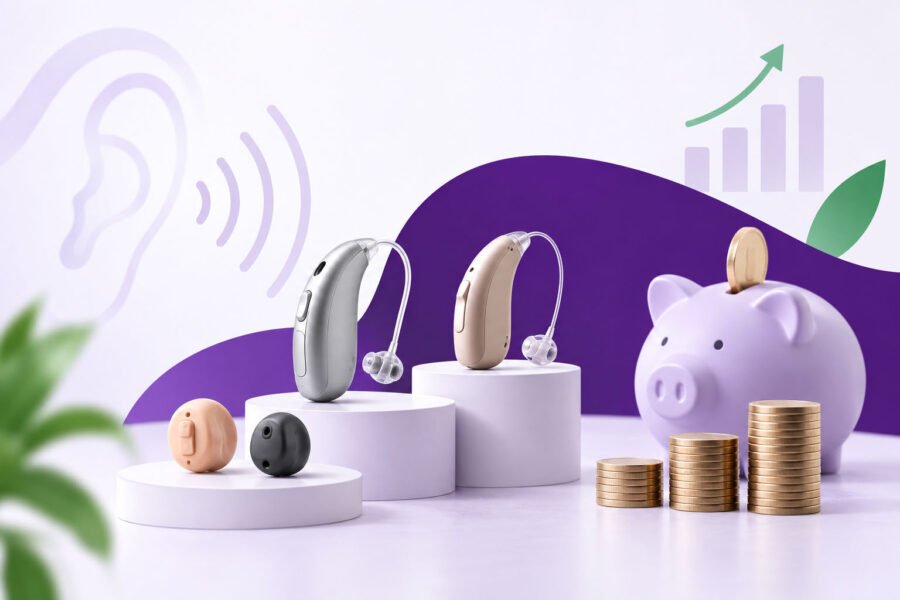
Would you prefer hearing aids that are less visible? A hearing-care professional can advise whether in-the-ear or behind-the-ear models suit your hearing and ear anatomy.
Is value for money important? Not everyone needs the highest technology level. The best option depends on your hearing loss and daily needs.
8. Why visit Sonnos Hearing Centre?
There is a wide choice of modern hearing aids, and their capabilities vary. It is important not only to know which features exist, but also to understand which ones may genuinely help a particular person.
At Sonnos Hearing Centre, we offer different hearing solutions and aim to help people choose according to their individual needs. We can discuss modern hearing-aid technology, AI and noise reduction, Bluetooth, audio streaming from phones and TV accessories.
During a consultation, it is useful to identify the situations in which hearing is most difficult, the devices you use every day and what you hope to achieve with hearing aids.
Properly selected and fitted hearing aids can make it easier to communicate with loved ones, use a phone and follow dialogue on television.
Want to find out which modern hearing aids may suit you? Contact Sonnos Hearing Centre to explore options that match your hearing, lifestyle and everyday needs.
Frequently asked questions about hearing-aid technology
What is DNN in hearing aids?
DNN means deep neural network. In some hearing aids, this AI technology is used to process sound and help distinguish speech from competing sounds. It may improve speech understanding in noisy environments.
Can AI help hearing aids work better in noise?
Some AI technologies can analyse surrounding sounds, reduce the impact of background noise and make speech more prominent. Results depend on the hearing aid, its features and the listening environment.
Can I make phone calls directly through hearing aids?
Many compatible modern hearing aids support audio streaming from a smartphone over Bluetooth. The available features depend on the hearing aids, phone and supported connectivity options.
How can I listen to the TV through hearing aids?
If the hearing aids support a direct connection to the TV, a compatible wireless connection may be enough. Otherwise, a dedicated TV streamer can send sound directly to the hearing aids.
Can a TV accessory let other family members keep the TV quieter?
Often, yes. A TV streamer can send audio to the hearing aids while the TV speakers remain available for others, depending on the television, streamer and settings.
Do all hearing aids have AI and DNN technology?
No. Hearing aids differ in their technology and sound-processing systems. Check whether a particular model includes DNN, which noise-reduction features it offers and whether they suit your needs.
How do I choose the best hearing aids?
The right choice depends on hearing-test results, the type of hearing loss, everyday listening situations, preferred features and budget. A hearing-care professional can help assess these factors.
Where can I get advice about the latest hearing aids?
Contact Sonnos Hearing Centre to discuss modern hearing aids, noise-reduction technology, Bluetooth connectivity and TV audio accessories.